The first time I tried micro-dosed Botox on crepey cheek skin, the change wasn’t theatrical. It was the way light settled on the skin two weeks later. Makeup stopped catching. Pores looked less like tiny wells and more like a soft grid. That quiet transformation is why micro-dosing has become a core tool for texture, not just lines.
What micro-dosed Botox actually does for texture
Traditional Botox smooths dynamic lines by relaxing muscle pull. Micro-dosing uses very small amounts placed superficially, sometimes in a grid, to dial down micro-movements and sebaceous activity without heavy paralysis. Think of it as dimming the muscle’s noise floor rather than muting the track. The result, when done correctly, is improved skin texture and subtle luminosity.
Mechanistically, two effects matter for texture. First, fine motor movements that repeatedly crinkle thin skin are softened, especially in the periorbital and cheek zones. That limits repetitive shear stress that can etch fine lines. Second, superficial placement can slightly reduce sebum output and refine pore appearance, most noticeable on the T-zone. It is not a pore eraser or a collagen builder on its own. It is a mechanical nudge that lets the skin appear more uniform while your other treatments do the heavier lifting.
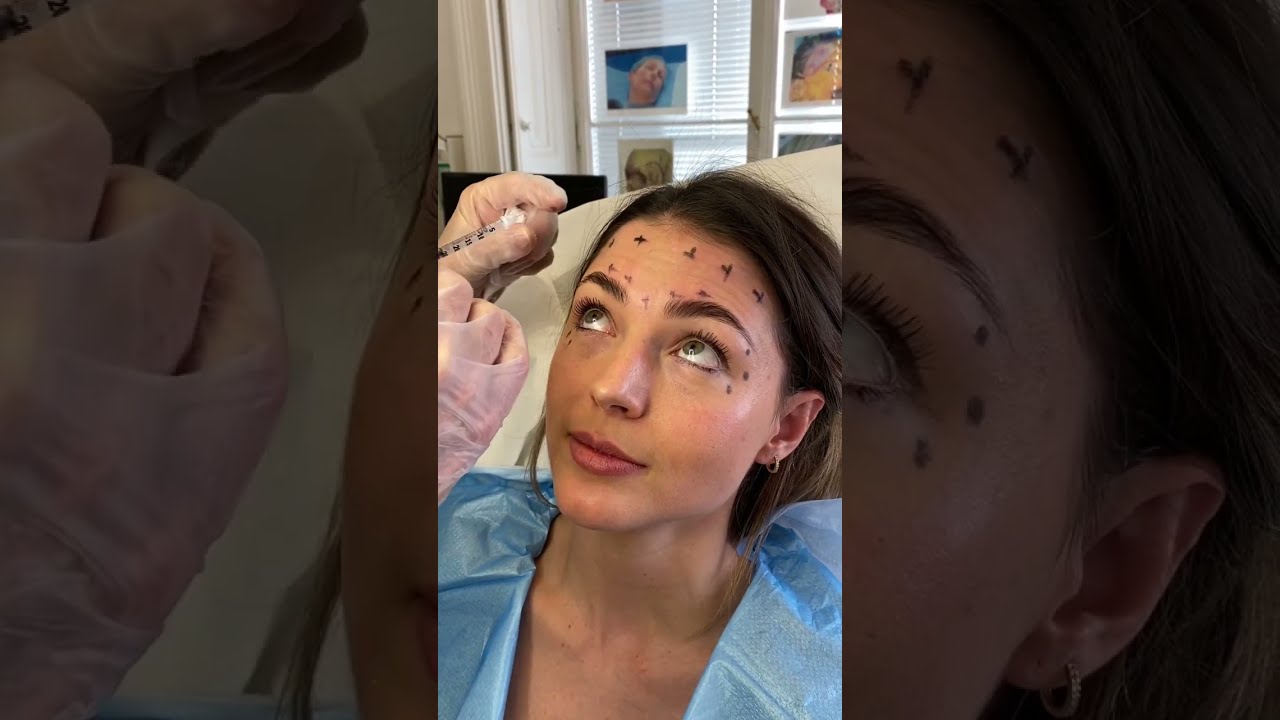
Micro-dosing is different from “sprinkling units everywhere.” Veteran injectors map superficial vectors, avoid deeper bellies of expression muscles, and adjust dilution for spread. I use higher dilution for larger, oilier surfaces like the forehead and lower dilution for crepe-prone areas where I want more precise control and less diffusion.
Where it shines, and where it doesn’t
Texture improvement from micro-dosing lands best on mild to moderate issues: fine static lines, orange-peel texture on the chin, makeup that settles around crow’s-feet, and porous T-zone shine. It can visibly brighten an exhausted forehead without the blank look. On the lower face, it can soften pebbling of the chin (the mentalis dance) and vertical lip lines in those who purse or sip through straws often.
Severe laxity, deep etched rhytids, acne scarring, and advanced photodamage need more than micro-tox. These conditions call for collagen induction and sometimes structural support. If you expect etched barcode lines from decades of smoking to vanish from Botox alluremedical.com botox near me alone, you’ll be disappointed. For those cases, I layer micro-dosing with resurfacing and biostimulatory care, which I’ll cover shortly.
Dosing, dilution, and placement decisions
Clients usually ask, does Botox hurt? Is Botox painful? The answer depends on technique and area. Micro-dosed sessions use many tiny injections. Each feels like a quick sting. With proper numbing and a small-gauge needle, pain is manageable, usually described as a 2 to 4 out of 10. For the upper lip or the nose bridge, which are sensitive, I use ice and pacing. The forehead is often easier.
A few practical notes from the chair:
- I rarely exceed 8 to 12 total units for a “glass skin” forehead grid in a first-timer who wants to keep full brow mobility. That might be 0.5 to 1 unit per superficial injection point. For the lateral cheeks near the crow’s-feet, I use micro-alignment, not depth. The goal is to soften crinkles without drooping the smile. That means staying superficial and outside the zygomatic smile vectors. The chin often responds to 4 to 6 units in divided micro-drops to reduce pebbled texture, with caution in small chins to avoid lip heaviness.
Injection depth and placement strategy matter. Too deep and you get classic muscle weakening, which can help lines but risks heaviness. Too superficial and the product may not engage the motor end plates effectively. The sweet spot is intradermal to very superficial subdermal in a fraction of standard doses, spaced to avoid overlap in diffusion for precise control.
How to avoid a frozen look with micro-dosing
Frozen Botox is mostly a product of two things: dosing beyond your functional tolerance and hitting key expressive fibers. Micro-dosing by design leans toward conservative dosing, yet you can still overdo it if you aim at the wrong targets. I prioritize facial anatomy and muscle mapping over routines. For example, in high-brow lifters, I leave lateral frontalis lines largely alone and focus on central textural crinkles. In expressive faces, I limit periorbital units near the zygomaticus to keep smiles bright.
If you worry, can Botox look overdone or make me look tired? Yes, if the frontalis is over-treated and the elevator muscles lose their counterbalance. The hallmark overdone signs are flat brows, heavy lids, an absent smile crinkle, and a top lip that barely shows teeth. The antidote is precise micro-dosing, spacing, and a staged approach. I prefer using fewer units at first, then offering a touch-up at the two-week follow up appointment. That keeps results controlled and tailored.
Combination care: pairing micro-dosed Botox with skin builders
Botox helps light bounce more evenly. It does not rebuild collagen. For texture that lasts, combine it with treatments that remodel the dermis. The best pairing depends on your baseline skin and goals.
Chemical resurfacing delivers reliable smoothing when done in a series. For those with shallow textural roughness or vertical lip lines, light to medium peels like glycolic or TCA at appropriate strengths create uniform turnover and improve tone. For crepey lower cheeks, a light TCA in multiple passes can be safer than deep lasers in thin skin.
Microneedling with or without radiofrequency is the workhorse for collagen. A series of 3 to 4 sessions spaced a month apart can thicken the dermis and soften etched lines. I often schedule micro-tox a week or two after needling to settle movement while collagen begins to form. If we add PRF or exosomes as topical adjuncts, expect faster recovery and glow, although results vary and not all adjuncts have equally strong data.
Energy-based resurfacing, from fractional non-ablative to fully ablative CO2, remains the gold standard for significant texture change. For clients who want a single downtime event rather than many visits, fractional CO2 with careful settings can reset the canvas. We add micro-dosed Botox later to maintain the result by limiting repetitive crinkling.
Skin quality injectables can be helpful in the right cases. Very soft hyaluronic acid “skin boosters” add light hydration and reduce crepe. Biostimulators like dilute CaHA or PLLA encourage collagen over months, which complements Botox’s immediate polish. These require cautious selection and practitioner experience.
For oil-prone texture, prescription topicals matter as much as procedures. Tretinoin or adapalene improves cell turnover and supports collagen. Azelaic acid reduces congestion and shine without heavy irritation. Daily sunscreen is non-negotiable if you want any procedural gains to last.

Timing matters: a practical schedule
I plan micro-dosed Botox in cycles of 3 to 4 months for most patients, though lifestyles and metabolism can shrink or stretch that window. Athletes who train intensely and individuals with faster metabolism sometimes feel their results fade after 8 to 10 weeks. Stress, poor sleep, and frequent sauna can blunt longevity too. Hydration can help comfort and recovery, but hydration and Botox results have no strong direct linkage beyond optimizing skin appearance.
A yearly schedule that works well for texture:
- Quarter 1: Micro-tox plus a light to medium peel or microneedling. Quarter 2: Maintenance micro-tox and focus on topicals, possibly a gentle laser. Quarter 3: Repeat micro-tox, consider skin boosters if crepe persists. Quarter 4: Heavier resurfacing if needed, plan micro-tox 2 to 3 weeks afterward.
That structure avoids stacking too many procedures in one month and keeps you camera-ready most of the year. It also builds in recovery windows around holidays and work cycles.
Safety, technique, and the clinic side you rarely see
Most great results come down to small, consistent habits behind the scenes. Botox is a protein that requires proper storage and handling. Vials should be refrigerated according to label instructions after reconstitution. Shelf life is finite. I do not push diluted product beyond safe windows because potency and sterility matter. Sterile technique isn’t optional. I prep skin with antiseptic, change needles regularly to keep them sharp, and avoid vascular hot spots by mapping. These little steps lower the risk of infection, bruising, and product spread to unintended areas.
Injection depth and placement strategy depend on solid facial anatomy. Around the eyes, the orbicularis has zones of fast diffusion. On the forehead, the frontalis has variable vertical bundles. In the lower face, the interplay between depressor anguli oris, zygomatic elevators, and mentalis determines smiles and chin shape. A few millimeters in the wrong place can drop a brow or tilt a smile. Picking an injector is not just about price. It is about their pattern recognition and restraint.
Watch for red flags in a consultation. If an injector does not examine your expressions at rest and in motion, or dismisses your concerns about function because “we can fix it later,” keep looking. If they offer a single face-wide unit package without tailoring to your asymmetries, pass. On the positive side, ask consultation questions about muscle mapping, dilution strategy, and how they handle touch-ups. Experienced injectors will have clear answers.
Cost and value: what to expect and how to think about it
Botox treatment cost varies by geography and setting. In major cities, unit prices commonly range from 10 to 20 USD. Micro-dosed texture treatments use fewer units per area, but cover more points. A conservative grid can sit in the 80 to 200 USD range for a small zone such as the forehead sheen treatment, and 250 to 600 USD if multiple areas are included. Costs rise with combinations such as peels, microneedling, or energy devices.
Value comes from matching the plan to your priorities. If your main complaint is makeup settling into fine lines, micro-dosing plus topicals may be smarter than a heavy resurfacing. If your goal is structural change and you can take downtime, invest in resurfacing and use Botox to maintain the result. This sequence saves money in the long run by avoiding constant half-measures.
Risks, benefits, and nuance
Every intervention carries trade-offs. The pros and cons of micro-dosed Botox for texture look different from traditional dosing.
Benefits include natural movement, low downtime, quicker adaptation for first-timers, and a gentle lift in reflectivity of the skin. It also tends to avoid the heavy brow and flat smile that scare expressive faces. For actors, public speakers, and professionals who rely on nuanced expressions, micro-dosing offers control without obvious telltales.
Risks are small but real. Bruising, mild swelling, and a few days of pinpoint bumps can occur. Diffusion into unintended fibers can cause temporary issues like a subtly flatter smile edge or a heavy brow if placement is off. Those usually resolve as the effect fades. On the upper lip, too much can blur pronunciation for a few days. Anyone with neuromuscular disorders needs a cautious, specialist-led plan.
What about long term effects? Data over decades suggest that routine, appropriate Botox use is generally safe. It does not erode muscles permanently in cosmetic doses, but it can reduce muscle bulk with repeated treatment, much like a gym detraining effect. That is often a desired outcome in the masseter for facial slimming in wide jaw or clenching jaw cases. For small expression muscles, I rotate patterns and allow washout periods to maintain balance. Can Botox damage muscles? In standard cosmetic use, permanent damage is not expected. Misplaced or excessive dosing can cause temporary weakness or awkward expressions, which fade with time.
A common worry is, can Botox age you faster? Not in the way people fear. If overdone chronically, faces can look flat because support from dynamic tone contributes to youthful expression. That is a design problem, not a toxin problem. Properly planned, Botox can support collagen preservation indirectly by reducing repetitive fold lines and stress lines. It is not a free pass on sun or lifestyle.
Another topic that surfaces more often now is Botox immune resistance and tolerance. Why Botox stops working in rare cases typically relates to neutralizing antibodies formed in response to protein load and frequency. High-protein formulations, short-interval retreatment, and frequent touch-ups may increase that risk. It remains uncommon in cosmetic dosing, but to be safe, I avoid unnecessary booster sessions inside a two-week window and prefer the lowest effective dose. If tolerance develops, spacing treatments, switching formulations, or pausing can help.
Facial balance and mood perception
Micro-dosing shines when you want to soften the signals your face sends without muting them. For an angry expression from glabellar overactivity, tiny units in the corrugators can lighten a constant scowl while preserving brows that still move. For a sad face appearance where the mouth corners pull down, measured dosing in the depressor anguli oris can lift the baseline without freezing the smile. For tired looking face complaints, especially from computer face strain and eye strain, subtle periorbital dosing and a light forehead grid can reduce squints that etch fatigue.
Facial asymmetry is common, and Botox for facial balance is underused. I often treat stronger sides minimally and weaker sides strategically, so expressions land more centered. For twitching eyelid, facial spasms, or nerve pain, therapeutic Botox can be transformative, though these are medical treatments with different dosing and follow-up. Chronic headaches can respond to medical protocols, while cosmetic micro-dosing should never be sold as a cure for migraines.
In the lower face, masseter reduction is a separate conversation. Botox for a square jaw or wide jaw from hypertrophic masseters can slim the face over months. Dosing here is not micro, it is measured and deep. For clenching jaw and facial pain, the benefits extend beyond aesthetics. As always, balance matters. Over-treating can narrow the face too much or affect chewing fatigue for a while. Conservative starts are wise.
The lip zone is a special case
Vertical lip lines, smokers lines, and aging lips are stubborn. Micro-dosed “lip flip” techniques relax the orbicularis oris slightly, showing more pink lip and softening lines. It is easy to overdo. If you use straws often, play wind instruments, or speak for a living, start very light to avoid articulation changes. For etched lines, I prefer a combination: micro-tox plus fractional laser or microneedling, and occasionally a smear of soft HA placed superficially to restore balance. When done carefully, lip wrinkles respond well over a few months rather than days.
Psychological effects and confidence
There is a real psychological effect when a face looks less tense. Clients report that colleagues stop asking if they are tired or upset. That feedback loop boosts confidence at work and on stage. For actors and public speakers, micro-dosed Botox supports facial movement control. They can emote without telegraphing stress through uncontrolled micro-crinkles that cameras exaggerate. That said, I counsel patients to view Botox as a grooming habit, not an identity shift. When expectations stay grounded, satisfaction stays high.
Getting ready: the consult and plan
A strong outcome starts with a clean conversation. I ask patients what three things bother them most. “Texture under the eyes,” “shine on the forehead,” and “lip lines when I sip” are specific and actionable. Photos in neutral light help, and short video clips of expressions matter more than stills. We discuss pros and cons, alternatives like peels, lasers, or even choosing to do nothing right now, and we map a maintenance plan. I explain the follow up appointment timing at two weeks for small tweaks and the touch up timing rules. I do not chase microscopic asymmetries in the first 3 to 5 days, because the effect is still evolving.
If you are vetting providers, the injector experience importance is real. Look for seasoned hands who handle both cosmetic and therapeutic dosing, understand sterile technique, and can explain their storage and handling. Ask about their policy if you dislike the result. Good clinics plan for that with conservative starts and collaborative adjustments.
Lifestyle impact and keeping results steady
Three lifestyle levers affect Botox results more than most people realize. Exercise effects on Botox show up in higher turnover among endurance athletes. Nothing wrong with training, just budget for slightly shorter intervals or accept softer endpoints. Heat exposure, like frequent hot yoga or sauna, may speed subjective fade for some. Stress impact on Botox shows up through facial tension patterns. If you clench your jaw or squint during heavy screen use, micro-dosing will help, but habits need attention. Simple ergonomic fixes for tech neck and computer face strain reduce the need for frequent touch-ups.
Hydration and nutrition influence how skin reflects light and heals, not how the toxin binds. Stay hydrated for comfort, not because it makes Botox “take” better. Metabolism and Botox longevity correlate loosely, but individual variability eclipses broad rules. Track your personal cycle over two or three rounds. Patterns usually emerge.
Alternatives when Botox is not the right tool
There are reasonable Botox alternatives for texture-first goals. Topical retinoids remain the best long-term investment for collagen health. Peptides and growth factor formulations can improve plumpness and glow, though results vary. Lasers and radiofrequency systems can remodel the skin without altering muscle. For oil control and pores, short courses of low-dose isotretinoin are sometimes used under medical supervision. For expression-driven lines in those who cannot or will not use Botox, taping and neuromodulatory patches exist, but their results are modest and short-lived.
If Botox is off the table due to pregnancy, neuromuscular conditions, or personal preference, build a plan around resurfacing, topicals, SPF, and habit change. Texture can improve substantially without toxins if you commit to a series and keep expectations aligned with biology.
When Botox seems to stop working
Occasionally a regular user feels weaker effects at the same dose. Before blaming immune resistance, I check for practical causes: a new exercise regimen, high-stress period, hormonal shifts, or a different dilution from a new provider. Sometimes the product was simply injected too superficially or deeply for that area. If we suspect tolerance or antibodies, I extend intervals, alter total protein load, and consider switching formulations. True neutralizing antibodies are rare in cosmetic practice. Most cases resolve with spacing and revised technique.
A grounded game plan for texture
If your goal is smoother texture with believable movement, start small and stack smart. Use micro-dosed Botox to quiet the micro-movements that roughen the canvas. Pair it with one collagen-forward modality in a series, not five scattered one-offs. Protect your investment with sunscreen, a retinoid you can tolerate, and a realistic maintenance plan. Budget for a two-week check after your first session, then lean on a steady rhythm rather than urgent, last-minute fixes.
With that approach, your skin does not look “Botoxed.” It looks rested, polished, and consistent under real light. And that is the point.